
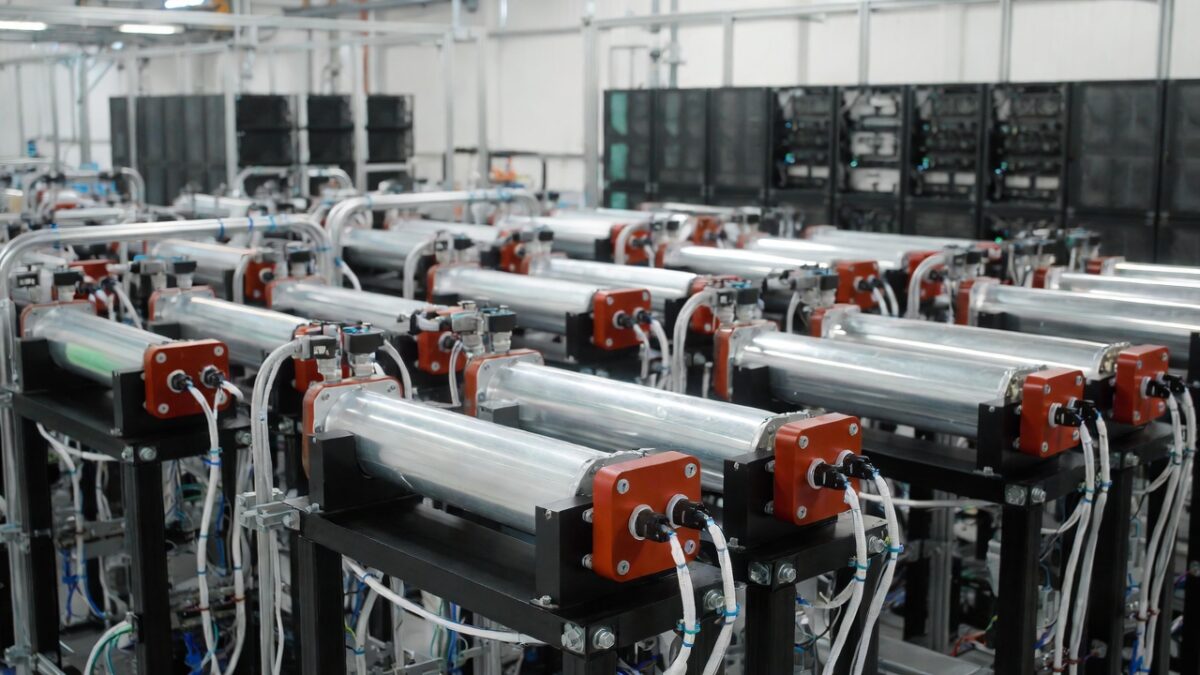
In a world racing toward renewable energy and powering massive AI data centers, reliable, affordable, and safe battery storage is more critical than ever. Lithium-ion batteries have dominated for years, powering everything from smartphones to electric vehicles (EVs). But supply chain vulnerabilities, rising costs for key materials like lithium and cobalt, and safety concerns are pushing the industry to explore alternatives.
Enter sodium-ion batteries — a technology that swaps lithium for abundant sodium (from everyday salt). Sodium is roughly 500–1,000 times more plentiful in the Earth’s crust than lithium, making it cheaper and less geopolitically risky.
On February 9, 2026, Energy Vault (a leader in grid-scale storage) and Peak Energy (the first U.S. manufacturer of sodium-ion systems) announced a major partnership. This includes a 1.5 GWh supply agreement for Peak’s U.S.-made sodium-ion batteries, plus joint development of a full-stack platform tailored for “AI-first” data centers. The combo leverages Peak’s batteries with Energy Vault’s software and integration tech.
Why does this matter? These batteries promise lower costs, superior safety, and no reliance on rare metals — ideal for stationary applications like grid backup, renewable integration, and powering energy-hungry AI infrastructure.
Sodium-Ion vs. Lithium-Ion: A Head-to-Head Comparison (2026 Perspective)
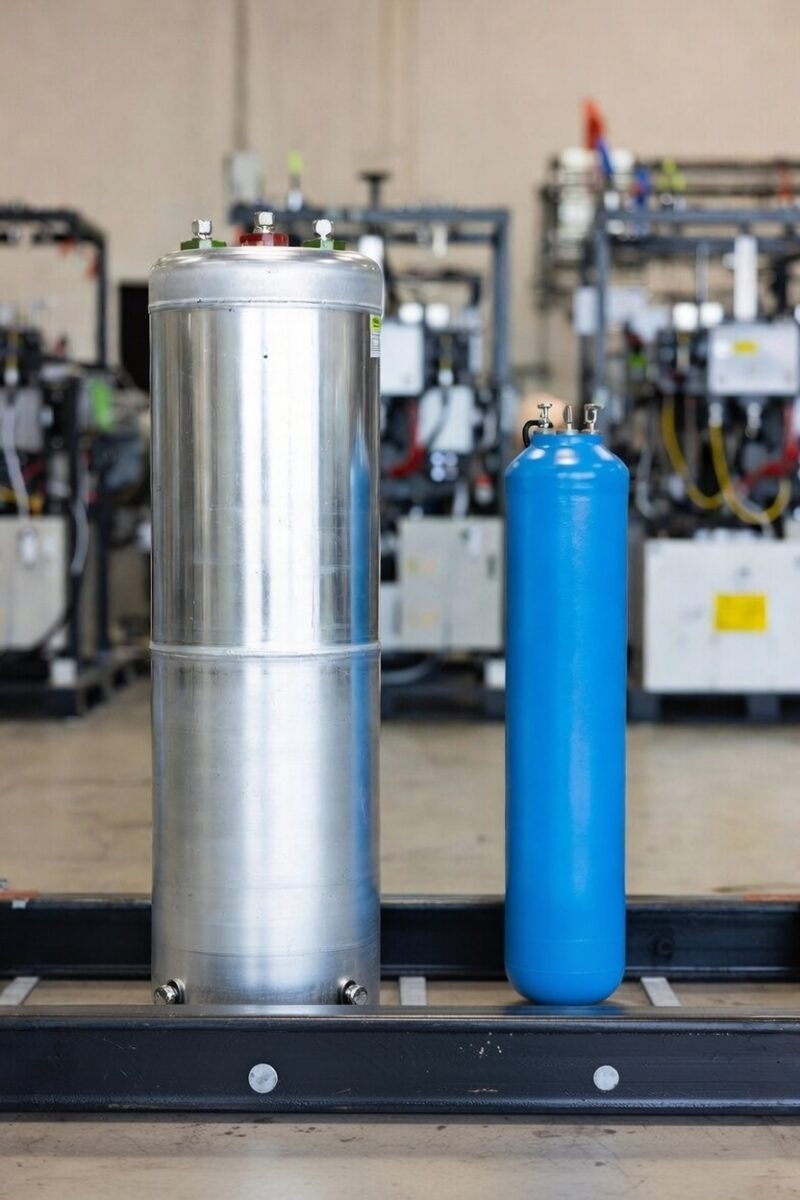
As of early 2026, lithium-ion (especially variants like LFP and NMC) remains the go-to for high-performance needs, but sodium-ion is closing gaps fast — particularly in cost-sensitive, stationary uses.
Here’s a clear breakdown of the key differences based on current commercial data:
- Energy Density (Gravimetric): Sodium-ion typically ranges from 100–175 Wh/kg (e.g., CATL’s Naxtra at ~175 Wh/kg). Lithium-ion hits 150–250+ Wh/kg (LFP: 150–210; NMC: 240–350). Winner: Lithium-ion. Sodium-ion packs are bulkier/heavier for the same energy, making them less ideal for EVs or portable devices where space and weight are premium.
- Cost: Sodium-ion cells are approaching parity (~$70–100/kWh) and are projected to drop significantly with scale (potentially $40–50/kWh or lower by the late 2020s). Material costs are far lower due to abundant sodium and no cobalt/nickel. Lithium-ion hovers ~$80–100+/kWh but faces price volatility. U.S.-made sodium-ion also qualifies for Inflation Reduction Act domestic content tax credits. Winner: Sodium-ion (emerging advantage), especially at utility scale.
- Safety: Sodium-ion offers better thermal stability, lower fire risk (non-flammable in many designs), and safer transport (can ship at 0% charge). Lithium-ion (particularly NMC) has higher thermal runaway risks, though LFP is safer. Winner: Sodium-ion — a major plus for grid and home backup.
- Cycle Life: Sodium-ion often reaches 4,000–10,000+ cycles (some claims >10,000–20,000), with slower degradation. Lithium-ion typically 2,000–6,000+ (LFP higher). Edge: Sodium-ion for long-duration stationary storage.
- Temperature Performance: Sodium-ion excels in extremes (-40°C to +55–70°C), with minimal cold-weather capacity loss. Lithium-ion suffers more in cold conditions. Winner: Sodium-ion — great for harsh climates or outdoor grid deployments.
- Charging Speed & Efficiency: Comparable round-trip efficiency (~90–95%). Sodium-ion shows strong fast-charge potential in some designs. Tie, with sodium-ion often better in tough conditions.
- Materials & Supply Chain: Sodium-ion uses abundant iron, manganese, and Prussian blue analogs — no rare metals. Lithium-ion depends on lithium (scarce) and sometimes cobalt/nickel. Winner: Sodium-ion for sustainability and resilience.
In short: Lithium-ion wins for high-density, mobile applications like EVs and consumer electronics. Sodium-ion excels in cost, safety, longevity, and abundance for stationary/grid uses.
Why This Partnership Could Be a Turning Point
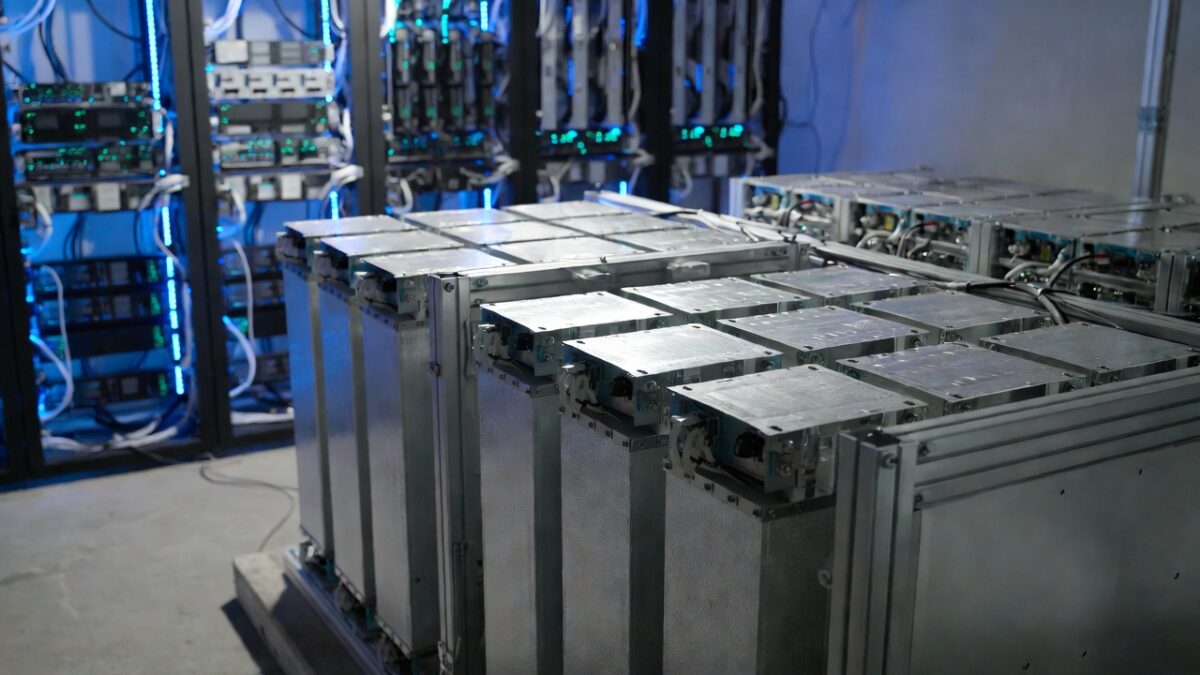
Energy Vault’s deal with Peak Energy isn’t just about supply — it’s about building a U.S.-centric, sodium-ion ecosystem. Peak’s systems (often using NFPP chemistry) feature passive cooling, multi-MWh units, and lower operations/maintenance needs. Combined with Energy Vault’s Vault OS for smart management, this targets exploding demand from AI data centers needing reliable, high-cycle backup and peak shaving.
Sodium-ion isn’t replacing lithium-ion everywhere anytime soon — energy density limits its role in compact EVs. But for grid storage, home backup, and commercial/industrial applications? It’s gaining traction fast. Forecasts suggest sodium-ion could capture a huge share of new stationary storage by the late 2020s, especially as costs fall and deployments prove real-world performance.
The Bottom Line: Complementary Technologies in an Evolving Landscape
Lithium-ion isn’t going anywhere — it’s mature and optimized for density-critical uses. But sodium-ion addresses key pain points: cost volatility, material scarcity, safety, and extreme-condition reliability.
With partnerships like Energy Vault and Peak Energy accelerating adoption, plus advancements from players like CATL (scaling Naxtra production), sodium-ion is no longer just hype. It’s becoming a practical, scalable option for a cleaner, more resilient energy future — particularly as AI and renewables drive unprecedented power needs.
Exciting times ahead for battery tech. Whether you’re a homeowner eyeing backup power or watching the grid’s evolution, sodium-ion is worth keeping on your radar. 🔋
What do you think — could sodium-ion batteries help break our lithium dependency? Share your thoughts below!