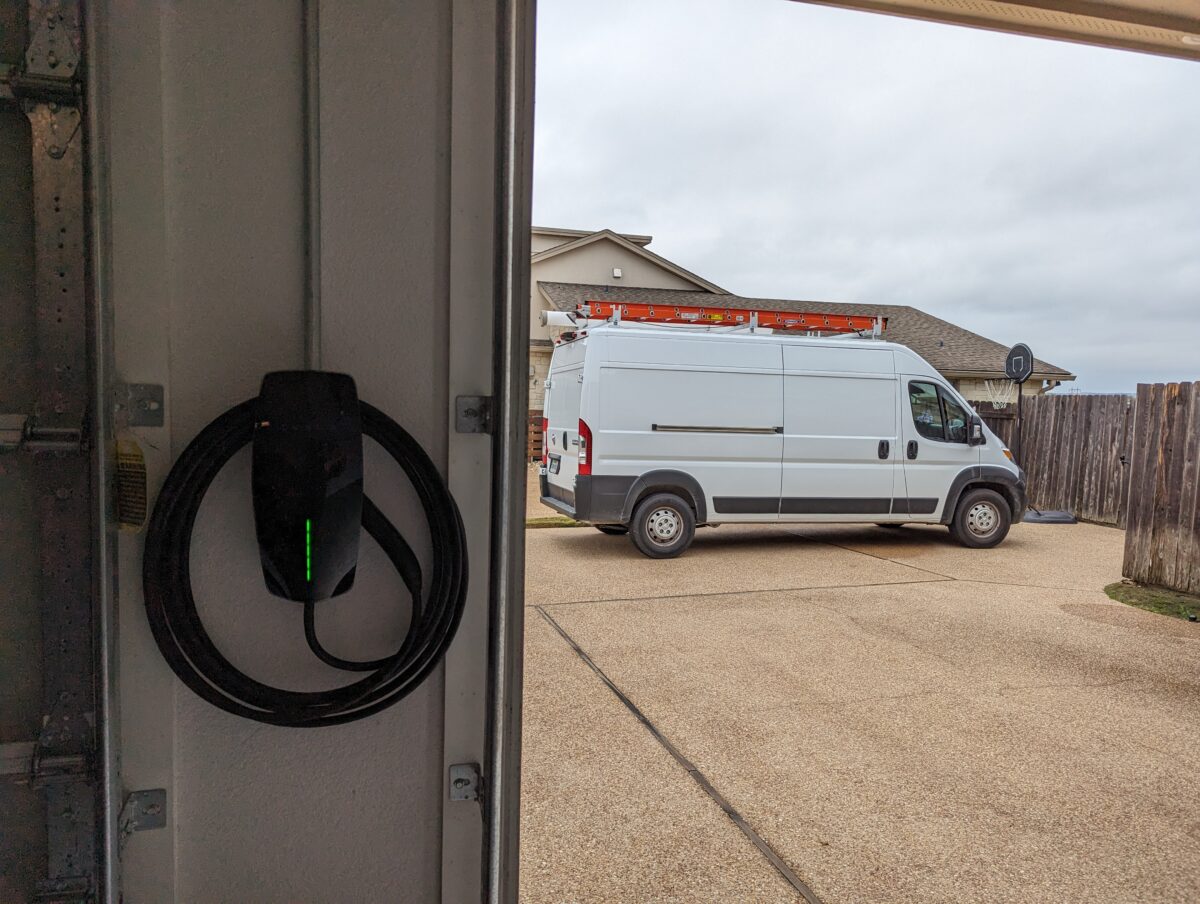
As all EV owners across Texas know, nothing beats the convenience of waking up to a fully charged car every morning. A Level 2 charger installed at home delivers that full battery overnight—far faster and more affordable than public stations or the basic cord that came with your vehicle. It eliminates range anxiety, saves money on off-peak utility rates, and keeps you ready for the daily commute or weekend road trips without ever stopping to charge.
But adding a powerful Level 2 charger isn’t as simple as plugging it into your dryer outlet. Your home’s electrical system must have the capacity to handle this significant new demand safely. That’s where a professional load calculation comes in—and why we always require your utility account data before scheduling any installation.
Understanding the Basics: How Electricity Works in Your Home
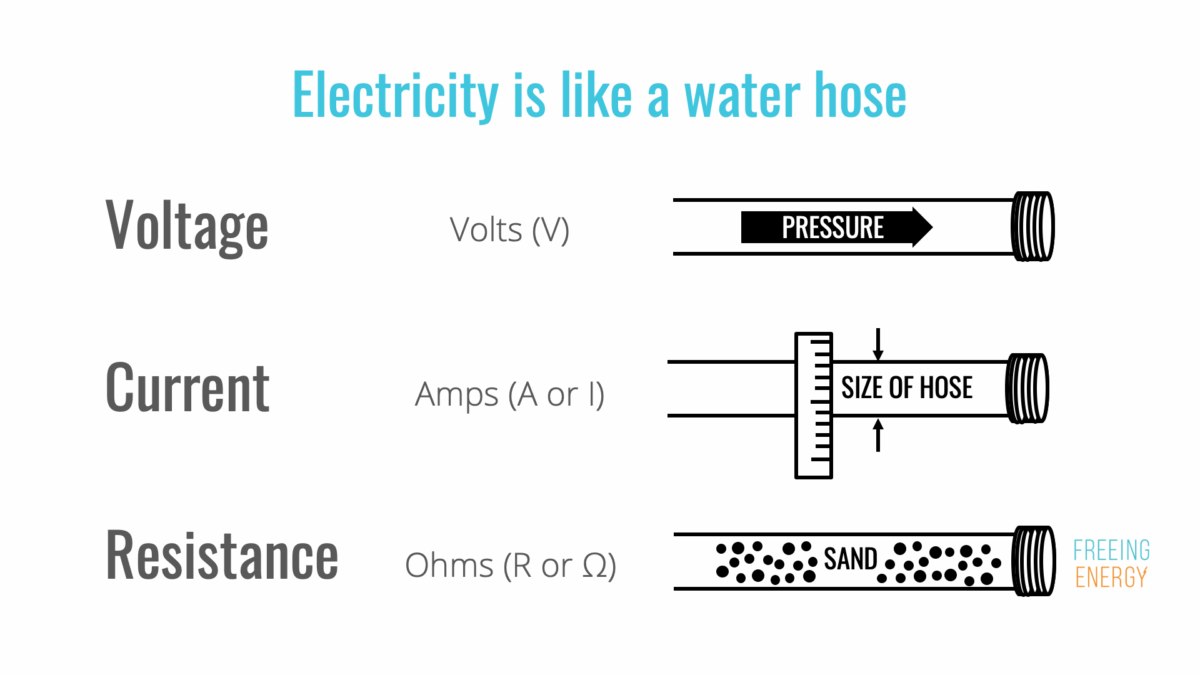
Think of electricity like water flowing through pipes. Volts measure the pressure pushing the flow, amps measure the volume moving through, and watts (volts × amps) measure the total power consumed. A refrigerator might use 300–800 watts (about 3–6 amps at 120 volts), while a standard Level 2 EV charger adds 11.5 kilowatts ~48 amps at 240 volts (depending on the model and settings).
Your home’s electrical panel acts as the central hub, distributing power from the utility through circuit breakers that protect against overloads. Most modern Texas homes have 200-amp panels, but older ones might be limited to 100 amps or less. When demand exceeds capacity, breakers trip—or worse, wires overheat, leading to equipment damage, system failures, or even electrical fires.
What Exactly Is a Load Calculation?
A load calculation is a detailed, code-required assessment that tallies your home’s total electrical demand—including lighting, appliances, HVAC, and the new EV charger—to ensure everything operates safely within your panel’s limits. Performed by a licensed electrician, it follows the National Electrical Code (NEC) Article 220 guidelines, factoring in square footage, fixed appliances, and peak usage patterns.
For EV chargers specifically, the 2023 NEC (adopted statewide in Texas) treats charging as a continuous load under sections 625.42 and 220.42. This means the charger’s maximum amperage is multiplied by 125% for branch-circuit sizing (e.g., a 48-amp charger requires a 60-amp breaker and wiring). In the overall service calculation, new section 220.57 adds the EV load at 100% of nameplate rating (or a minimum 7,200 VA).
Without this precise math, adding a Level 2 charger risks constant breaker trips, damaged wiring, or voided warranties. We’ve seen it in homes where “empty” panel spaces hid near-max usage from dual AC units, induction ranges, and pool pumps—pushing a 200-amp service into overload territory.
Why Your Utility Account Data Is Essential
Guessing your home’s peak demand is unreliable. That’s why we use your utility’s interval data (AMI or Green Button files), which records exact kilowatt usage every 15 minutes over the past 12–24 months. This reveals your household’s true high-water mark—often a scorching summer evening when everything runs at once—allowed directly by NEC 220.87 for existing homes.
It’s far more accurate than worksheets or visual inspections alone. In minutes, we pull this secure data to confirm if your panel has headroom for full-speed charging or if we need solutions like a load-management system (which dynamically reduces charger draw during peaks) or a panel upgrade.
The Risks of Skipping This Step—and the Benefits of Doing It Right
Improper installations can lead to costly repairs, denied insurance claims, or safety hazards. But with a proper load calculation, you get a future-proof setup: reliable overnight charging, eligibility for utility rebates up to $1,200, and peace of mind knowing your system complies fully with NEC standards.
At ChargePro Texas, we’ve completed over 2,900 Level 2 installations since 2020 with zero fires, zero claims, and zero failed inspections.
Ready for convenient, cost-effective home charging that’s safe and code-compliant?