
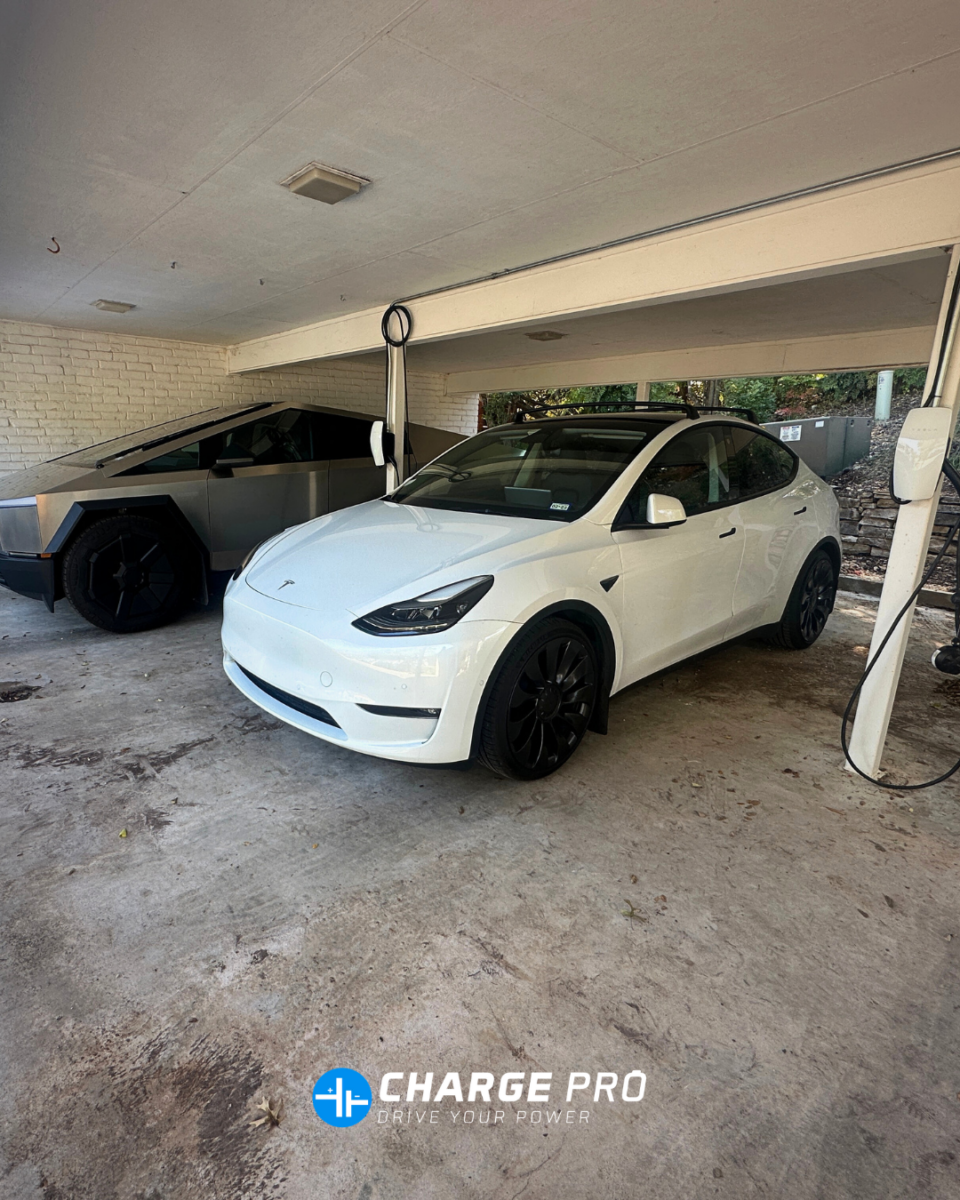
Electric vehicles are rapidly becoming the new normal across Texas. From Austin to Dallas and Houston, more homeowners are switching to EVs every year.
But once you buy an EV, the next question quickly becomes:
How do you charge at home efficiently?
While every EV comes with a basic charger, most owners quickly upgrade to a Level 2 home charging station. It dramatically reduces charging time, lowers charging costs, and adds everyday convenience.
This guide explains everything Texas homeowners need to know about Level 2 EV charger installation, including costs, electrical requirements, safety considerations, and what the future of home charging looks like.
What Is a Level 2 EV Charger?
EV chargers are typically divided into three categories:
| Charger Type | Voltage | Charging Speed | Range Added Per Hour |
|---|---|---|---|
| Level 1 | 120V | Slow | 3–5 miles |
| Level 2 | 240V | Fast | 20–40 miles |
| DC Fast Charging | 400–800V | Very Fast | 200+ miles per hour |
Level 1 charging uses a standard household outlet, but it is very slow. For many drivers it can take multiple days to fully charge a vehicle.
Level 2 chargers operate on 240-volt electricity, the same power used by appliances like dryers and ovens. They can charge most EVs 6–8 times faster than Level 1 charging.
For most homeowners, this means you can plug in your vehicle at night and wake up with a full battery every morning.
Why Most EV Owners Upgrade to Level 2
Most EV owners quickly realize that Level 1 charging is not practical for daily driving. Level 2 charging offers several major advantages.
1. It Pays for Itself Over Time
One of the biggest benefits of installing a Level 2 charger is lower fueling costs.
Public fast chargers are convenient, but they are usually two to four times more expensive than charging at home. Charging with residential electricity rates significantly reduces the cost per mile.
Typical Energy Cost Comparison
| Energy Source | Typical Cost | Cost per Mile |
|---|---|---|
| Level 2 Home Charging | $0.10 – $0.15 / kWh | 3–5¢ |
| DC Fast Charging | $0.35 – $0.60 / kWh | 10–18¢ |
| Gasoline Vehicle | $3 / gallon (25 MPG) | ~12¢ |
Real-World Example
For a driver traveling 12,000 miles per year:
Home Charging
3,400 kWh × $0.13 = ~$440 per year
Public Fast Charging
3,400 kWh × $0.45 = ~$1,530 per year
Gasoline Vehicle
480 gallons × $3 = ~$1,440 per year
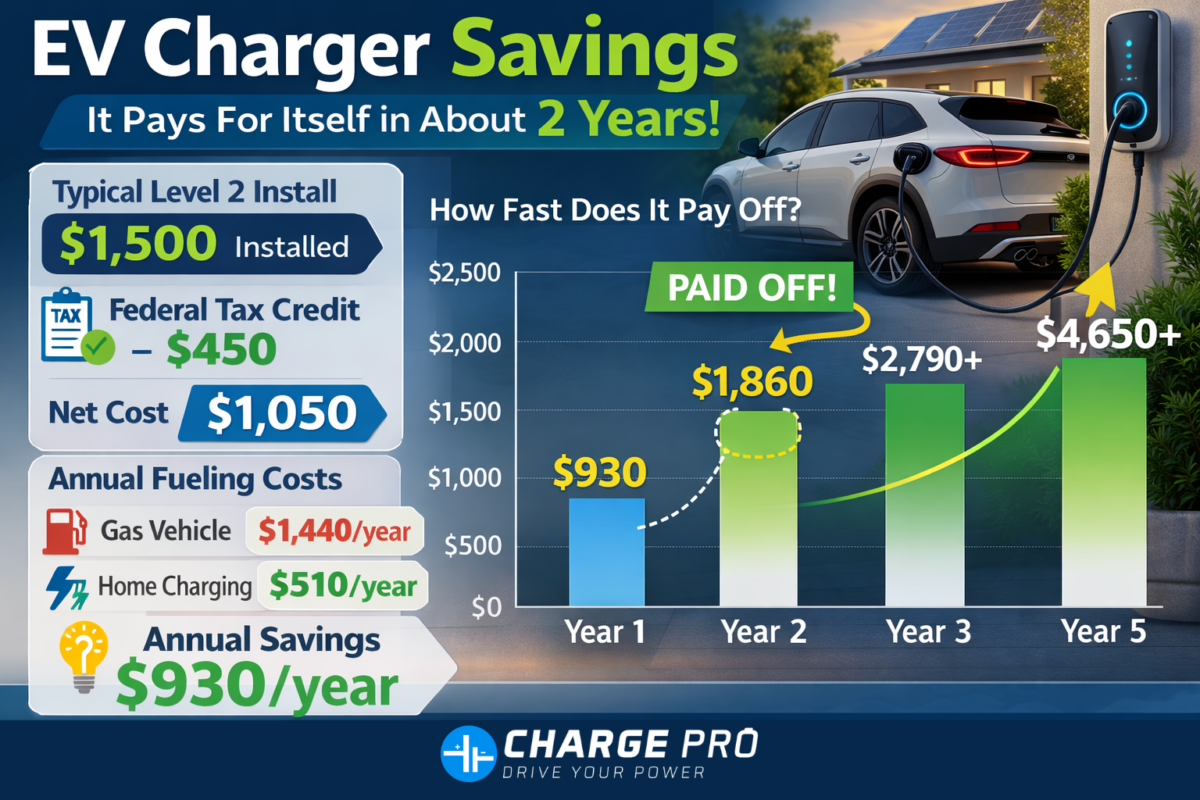
Home charging can save $800–$1,000 per year compared to gasoline.
Since most installations cost $1,200–$2,500, the charger often pays for itself within just a few years.
2. Dramatically Faster Charging
The most obvious benefit of Level 2 charging is speed.
| Charger Type | Voltage | Range Added Per Hour |
|---|---|---|
| Level 1 | 120V | 3–5 miles |
| Level 2 | 240V | 20–40 miles |
Level 2 chargers are typically 6–8 times faster than Level 1 charging.
Even if you drive a long distance during the day, your vehicle can fully recharge overnight.
3. Daily Convenience
Without a home charger, many EV owners rely on public charging stations, which requires planning and extra trips.
With a Level 2 charger installed at home, charging becomes simple:
You arrive home → plug in → wake up with a full battery.
4. Better for Battery Health
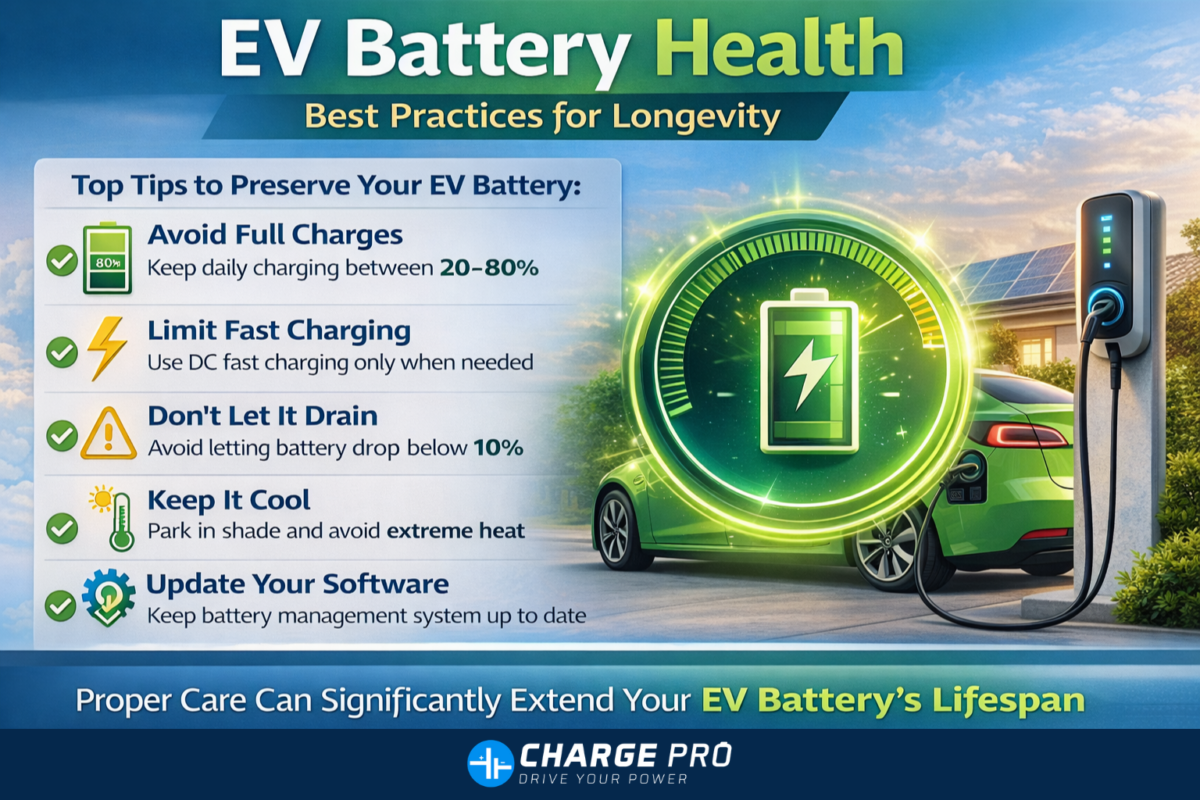
Fast charging is useful for road trips, but frequent DC fast charging can place additional thermal stress on EV batteries.
Level 2 charging provides a steady and controlled charging rate, which is generally considered better for long-term battery health.
5. Preparing Your Home for the Future
EV adoption is growing rapidly across Texas. Homes equipped with EV charging infrastructure are becoming more attractive to future buyers.
Installing a Level 2 charger prepares your home for:
• future EV ownership
• multi-EV households
• smart energy management systems
Level 2 EV Charger Installation Cost in Texas
Installation costs vary depending on the complexity of the project. Longer wire runs can increase material costs significantly.
Typical Installation Cost Breakdown
| Component | Typical Cost |
|---|---|
| EV Charger Equipment | $450 – $800 |
| Electrical Labor | $500 – $1,200 |
| Electrical Materials | $150 – $600 |
| Permit & Inspection Fees | $50 – $175 |
| Typical Installation | $1,200 – $2,500+ |
Electrical Requirements for Level 2 Chargers
Installing a Level 2 charger requires a dedicated 240-volt circuit connected directly to the electrical panel.
Typical installations include:
• 40A–60A circuit breaker
• heavy-gauge copper wiring
• hardwired charger or NEMA 14-50 outlet
A licensed electrician will perform a load calculation to ensure the home’s electrical system can safely support the charger.
Why Sharing or Undersizing a Circuit Is Dangerous
Level 2 chargers draw significant power for long periods of time, often charging for 6–10 hours overnight.
Because of this, EV chargers are considered continuous loads under the National Electrical Code.
The 80% Rule
Continuous loads can only use 80% of a circuit’s capacity.
| Breaker Size | Maximum Charger Output |
|---|---|
| 40A breaker | 32A charger |
| 50A breaker | 40A charger |
| 60A breaker | 48A charger |
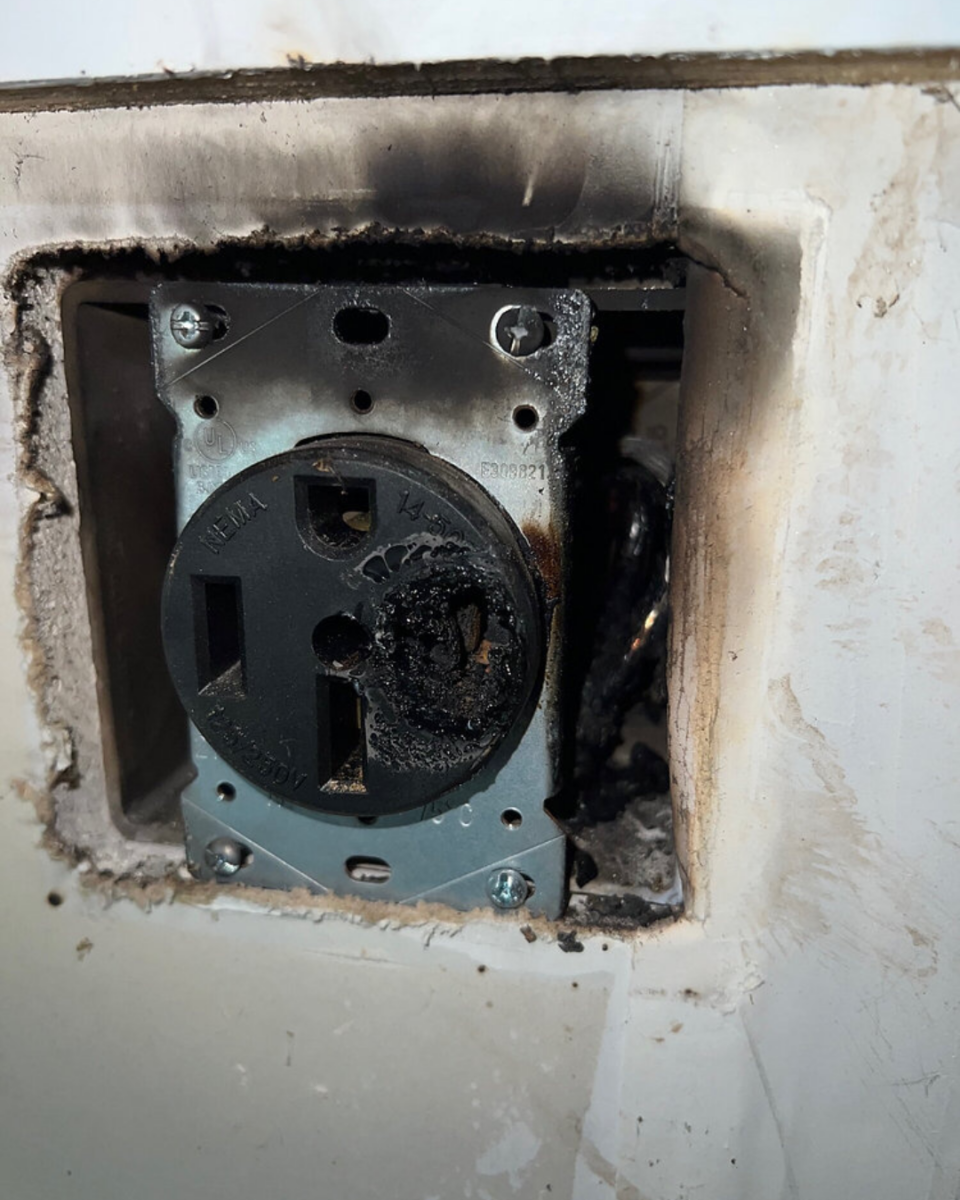
Installing a charger on an undersized or shared circuit can cause:
• breaker trips
• overheating wiring
• reduced charging performance
• electrical system damage
• potential fire hazards
For safety and reliability, EV chargers should always be installed on their own dedicated circuit.
The EV Charger Installation Process
A professional installation typically includes several steps.
- Site assessment
- Electrical load calculation
- Permit application
- Running wiring and conduit
- Mounting the charger
- Inspection and testing
Most residential installations are completed within a few hours once permits are approved.
Choosing the Right Charger Size
Home EV chargers come in several power levels.
| Charger Output | Breaker Required | Charging Speed |
|---|---|---|
| 16 amps | 20A breaker | ~12 miles/hour |
| 32 amps | 40A breaker | ~25 miles/hour |
| 40 amps | 50A breaker | ~30 miles/hour |
| 48 amps | 60A breaker | ~35 miles/hour |
Most homeowners install 40A–48A chargers for reliable overnight charging.
Common EV Charger Installation Challenges
Every home is different, and some installations require additional planning.
No Direct Path to the Charger Location
In ideal installations, electricians can run wiring through an attic, crawlspace, or unfinished space directly to the charger location. This allows the wiring to stay hidden and keeps the installation simple.
However, many homes do not have a clear path between the electrical panel and where the vehicle is parked.
Common situations include:
• No attic access above the garage
• Limited attic or crawlspace access
• Finished ceilings or walls that cannot easily be opened
• Spray foam insulation blocking pathways
• Concrete ceilings in multi-story homes
• The electrical panel located on the opposite side of the house
When these obstacles exist, electricians must find alternative routes to safely run the wiring. In many cases this can mean running conduit along garage ceilings, exterior walls, or other accessible pathways.
These challenges often lead to longer wire runs between the electrical panel and the charger location, which can increase both material costs and installation time—especially since Level 2 chargers require heavy-gauge copper wiring designed to handle high electrical loads.
While longer runs can make installations more complex, experienced installers can still design clean, safe, and code-compliant solutions that work with the layout of the home.
Full Electrical Panels
Some electrical panels have no available breaker space.
Solutions can include:
• installing a subpanel
• upgrading the electrical panel
• using load management systems
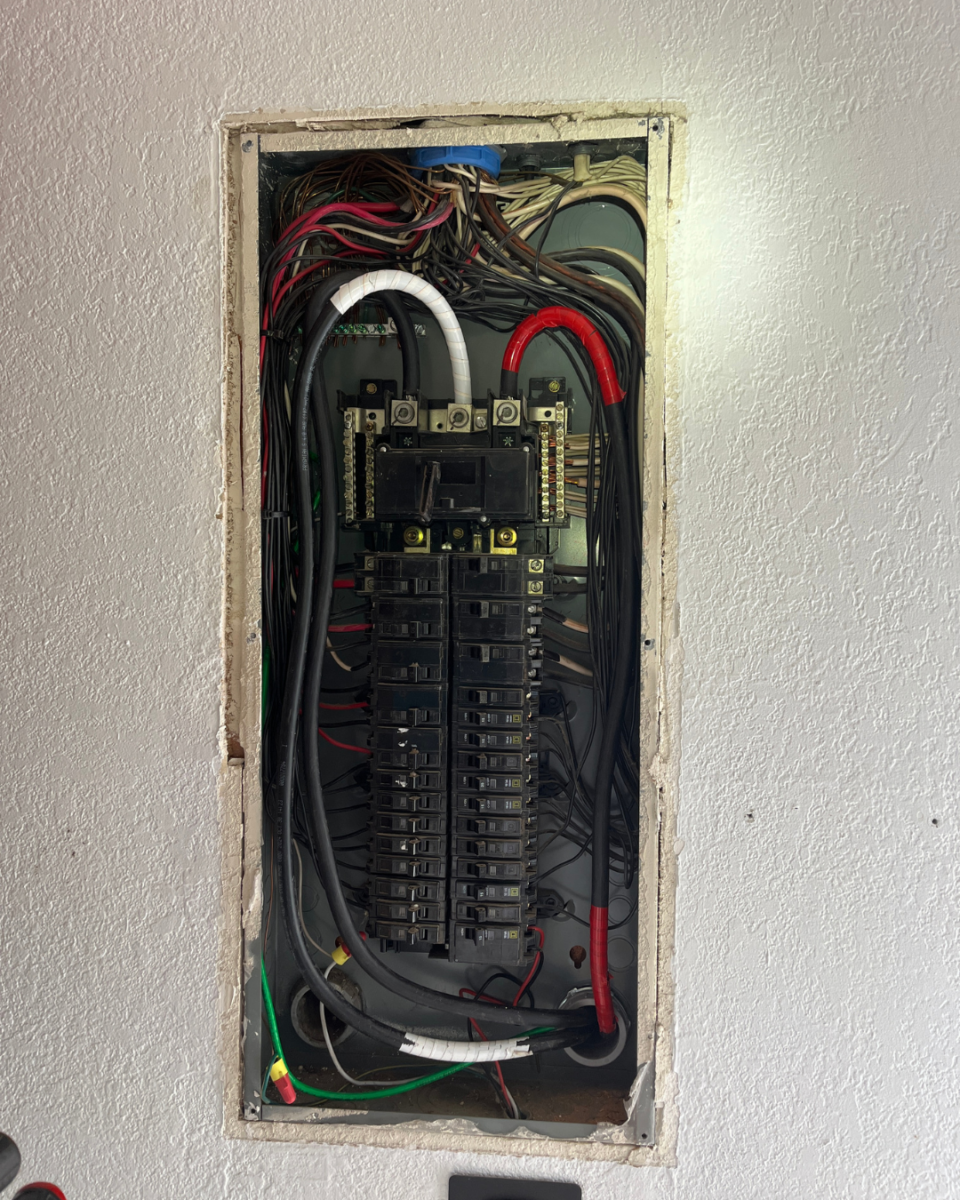
Outdated Electrical Panels
One common challenge in EV charger installations is older electrical panels that were never designed to support large electrical loads like EV charging.
Many homes built decades ago may have:
• 100-amp electrical service
• older breaker panels
• limited breaker space
• outdated equipment no longer recommended for modern upgrades
A Level 2 EV charger can draw 40–60 amps, which is a significant addition to the electrical system. In some homes, the panel may not have enough capacity to safely support the charger.
In these situations, electricians may recommend solutions such as:
• installing a subpanel
• upgrading the electrical service to 200 amps
• installing a smart load management system that automatically adjusts charging power based on household demand
These solutions ensure the charger operates safely without overloading the home’s electrical system.
Unique or Unusual Home Layouts
Not all homes are designed with modern electrical upgrades in mind. Some homes have unusual layouts or construction features that make running wiring more challenging.
Examples include:
• split-level homes
• finished ceilings or walls that limit access
• detached garages
• multi-story homes with concrete ceilings
• panels located far from the parking area
In these cases, electricians often need to find creative wiring routes, such as running conduit along exterior walls or routing wiring through alternative pathways.
While these installations can require additional planning, experienced installers can usually find a safe and clean solution that works with the home’s layout.
Best Location for Your Charger
The best charger location usually:
• minimizes wiring distance from the main panel
• allows easy cable reach to the vehicle
• supports future EVs
• protects the charger from weather exposure
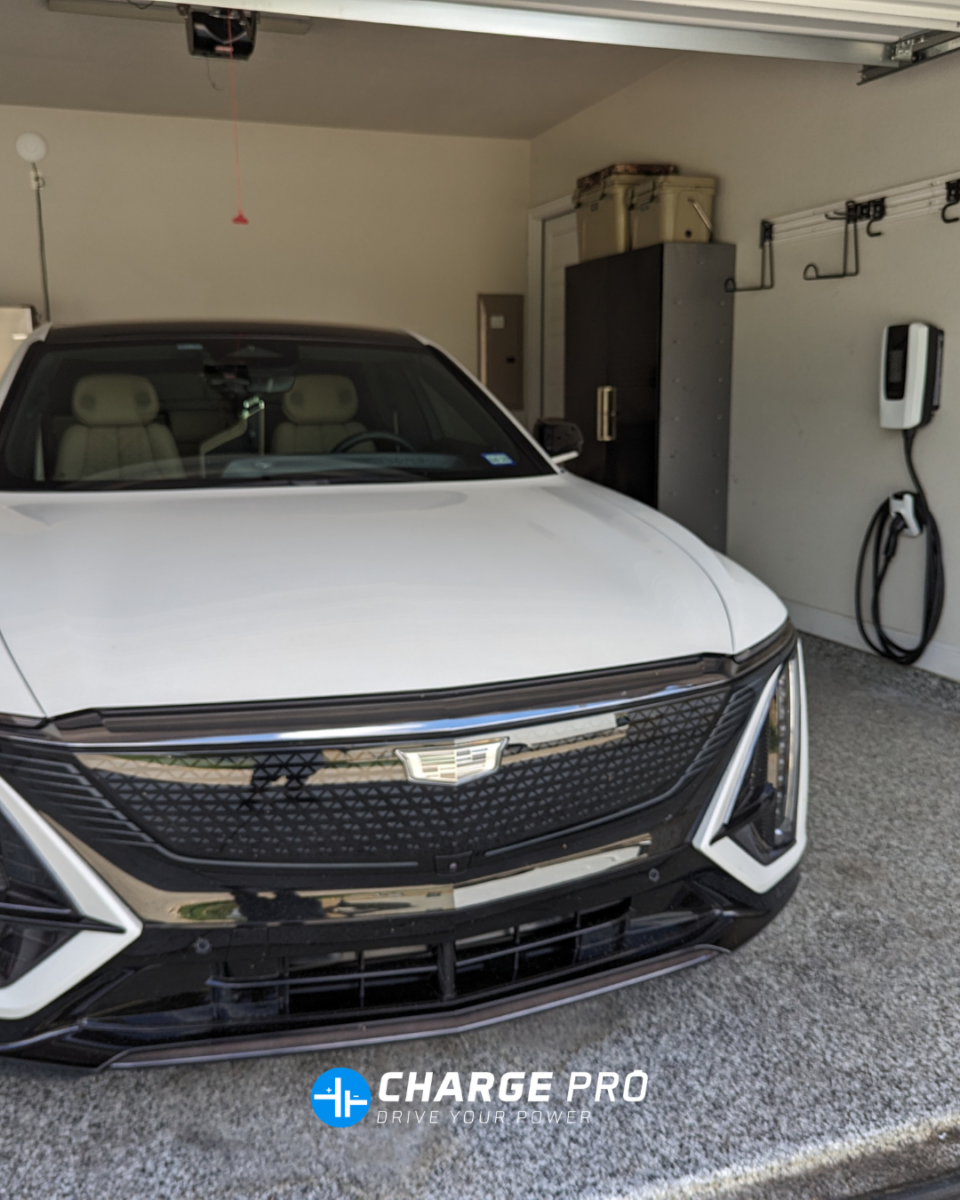
While most modern EV chargers are weather-resistant and designed for outdoor installation, placing the charger in a sheltered area—such as inside a garage, under a carport, or beneath an overhang—can help extend the lifespan of the equipment and keep the charging cable cleaner and easier to handle.
Garages are the most common location, but outdoor installations are also common.
Top Recommended Level 2 Chargers for Texas (2026)
There are many Level 2 EV chargers available today, but most homeowners fall into one of three categories when choosing a charger: Tesla chargers, smart third-party chargers, or vehicle manufacturer chargers.
While charging speeds are often similar, the differences usually come down to features, compatibility, and ecosystem integration.
Tesla Wall Connector
The Tesla Wall Connector is one of the most widely installed home EV chargers. It’s known for its sleek design, reliability, and high charging performance.
The latest Tesla Universal Wall Connector supports both Tesla’s NACS connector and the J1772 standard used by most other EV brands, making it compatible with nearly all electric vehicles.
Key advantages include:
• Up to 48 amps of charging power
• Extremely reliable hardware
• Long charging cable
• Designed to integrate seamlessly with Tesla vehicles
Because Tesla’s charging connector is rapidly becoming the North American standard, many homeowners consider this one of the most future-proof chargers available.
Emporia Smart EV Charger
The Emporia EV Charger has become very popular because it delivers high performance at an excellent price while still offering advanced smart features.
Key features include:
• Up to 48 amps charging power
• Smart scheduling through the Emporia app
• Energy monitoring capabilities
• Integration with Emporia home energy monitoring systems
For homeowners interested in tracking energy usage or integrating EV charging with solar systems, Emporia offers one of the best value options on the market.
Vehicle Manufacturer Chargers
Many automakers now offer brand-specific home chargers designed to integrate with their vehicles and mobile apps.
Examples include chargers from:
• Ford
• General Motors
• Rivian
• Mercedes-Benz
• BMW
• Porsche
These chargers often integrate directly with the vehicle’s ecosystem and may offer features like charging management through the vehicle app, bidirectional charging capability, or optimized charging for specific vehicles.
For owners who prefer a fully integrated vehicle ecosystem, manufacturer chargers can be an excellent choice.
Important:
Regardless of which charger you choose, proper installation is critical. The charger itself is only part of the system — the electrical infrastructure behind it determines safety, reliability, and charging performance.
Incentives and Tax Credits or EV Charger Installation
Installing a Level 2 EV charger may qualify for financial incentives that can reduce the total installation cost. These incentives can come from federal tax credits, utility programs, and occasionally local rebates.
Federal EV Charger Tax Credit (Section 30C)
Homeowners may qualify for the Alternative Fuel Vehicle Refueling Property Credit (Section 30C) when installing EV charging equipment.
This credit allows homeowners to claim:
30% of the total installation cost, up to $1,000.
Eligible expenses typically include:
• EV charger equipment
• electrical materials
• installation labor
• permit and inspection fees
For example, if your Level 2 charger installation costs $2,000, you may qualify for a $600 federal tax credit.
Under current legislation, this credit applies to equipment placed in service before June 30, 2026.
Utility Rebates in Texas
Texas does not have a statewide rebate program for EV charger installations. Because the state operates in a deregulated electricity market, incentives are offered by individual utilities rather than the state itself.
Some utilities offer rebates that can help reduce installation costs.
For example, Austin Energy currently offers one of the most generous programs in Texas, covering 50% of the charger and installation cost up to $1,200 per household for qualifying Level 2 chargers.
Other large utilities such as Oncor (Dallas–Fort Worth area) and CenterPoint Energy (Houston area) currently focus more on off-peak charging programs and time-of-use electricity plans rather than direct installation rebates. These programs encourage EV owners to charge overnight when electricity demand is lower and rates are cheaper.
Because utility programs change frequently, homeowners should always check with their local electricity provider to see what EV charging incentives may be available in their area.
Time-of-Use Electricity Plans
Another major way EV owners in Texas reduce charging costs is through Time-of-Use (TOU) electricity plans.
Because Texas has a deregulated electricity market, many retail electricity providers offer plans with cheaper overnight rates or even free nighttime electricity. These plans are ideal for EV charging since most vehicles are plugged in at night.
With off-peak electricity rates often dropping to 5–10¢ per kWh, charging an EV at home can cost as little as 2–5¢ per mile, which is far cheaper than gasoline or public fast charging.
Many electricity providers in Texas offer EV-friendly or nighttime charging plans, including companies such as:
• Reliant
• TXU Energy
• Gexa Energy
• Rhythm Energy
• Champion Energy
Most modern Level 2 chargers allow you to schedule charging automatically during off-peak hours, ensuring your vehicle charges when electricity is cheapest.
For many Texas EV owners, combining overnight charging plans with a Level 2 home charger is one of the easiest ways to significantly reduce transportation costs.
Why Incentives Matter
When federal incentives and utility rebates are combined, they can significantly reduce the cost of installing a Level 2 charger.
For many homeowners, these incentives help make home charging one of the most affordable and convenient ways to power an electric vehicle, while also preparing the home for the growing transition to electric transportation.
The Future of Home EV Charging in Texas
Home EV charging is evolving from simple overnight charging into a core part of smart home energy systems. In Texas—where summer grid peaks, winter freezes, and severe storms can challenge the power grid—future EV chargers will help homes store, manage, and even supply electricity.
Bidirectional Charging (V2H & V2G)
Many newer EVs are beginning to support bidirectional power flow, meaning electricity can move both into and out of the vehicle.
This allows EVs to power homes during outages through Vehicle-to-Home (V2H) technology, or potentially send electricity back to the grid through Vehicle-to-Grid (V2G) programs.
EV batteries typically range from 60–200+ kWh, which is far larger than most residential battery systems. In many cases, a fully charged EV could power essential home loads—such as lights, refrigerators, and electronics—for multiple days during an outage.
As of 2026, bidirectional capabilities are appearing in vehicles such as:
• Tesla Cybertruck (with Tesla Powershare programs)
• Ford F-150 Lightning
• GM Ultium platform vehicles such as the Silverado EV and Cadillac Lyriq
• Emerging support in vehicles like the Kia EV9 and upcoming Nissan models
In Texas, most early adoption focuses on V2H backup power, which can be especially valuable after hurricanes, ice storms, or grid outages.
Vehicle-to-Grid programs are currently being tested through pilot programs and virtual power plant initiatives. These programs may eventually allow EV owners to earn energy credits for supplying power back to the grid.
Smart Load Management
Modern EV charging systems can now dynamically adjust their power draw based on a home’s electrical usage.
For example, if large appliances like air conditioners, dryers, or ovens are running, the charger can temporarily reduce charging speed to prevent overloading the electrical panel.
This technology often allows homeowners to install Level 2 chargers without expensive electrical panel upgrades, which can sometimes cost $1,000–$4,000 or more.
Solar Integration
EV chargers are also increasingly integrated with home solar systems.
This allows homeowners to:
• charge their vehicles using solar power generated during the day
• store excess solar energy inside the vehicle battery
• reduce dependence on the electric grid
In this setup, the EV becomes an extension of the home’s energy system—essentially acting as a large mobile battery.
For Texas homeowners, combining solar power, EV charging, and time-of-use electricity plans can significantly reduce long-term energy costs.
Grid Stability and Virtual Power Plants
As EV adoption grows, millions of connected vehicle batteries could form a massive distributed energy network.
Utilities are beginning to explore virtual power plant programs, where thousands of EVs and home batteries work together to stabilize the grid during periods of high demand.
Instead of building new power plants, utilities could temporarily draw small amounts of electricity from participating EVs, helping balance the grid while rewarding owners with incentives or bill credits.
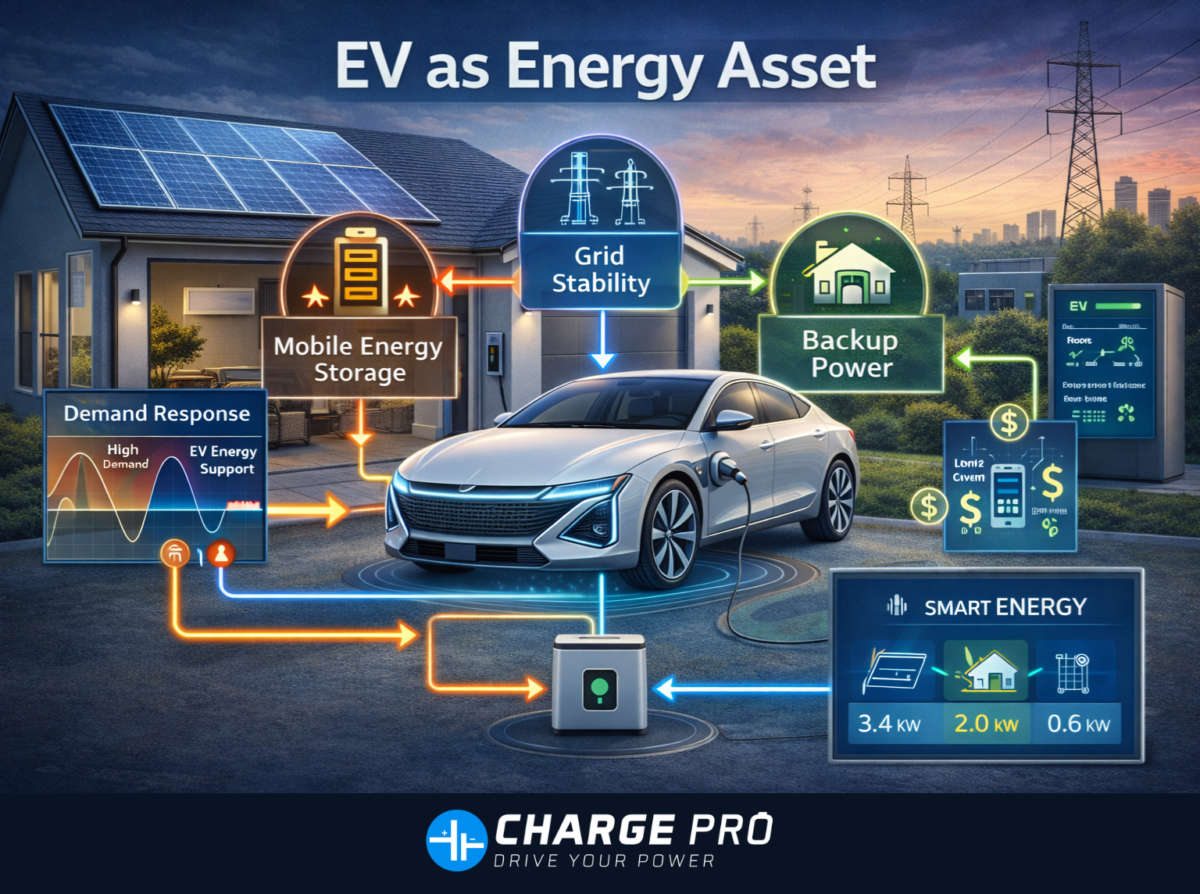
EVs as Energy Assets
Electric vehicles are rapidly evolving from simple transportation into important energy assets for the home.
As bidirectional charging expands, smart charging improves, and energy programs mature, EV charging will provide homeowners with:
• backup power during outages
• lower electricity costs
• solar energy storage
• participation in grid support programs
For Texas homeowners installing chargers today, choosing a smart, future-ready Level 2 charger can make it easier to take advantage of these technologies as they become more widely available.
Final Thoughts
Installing a Level 2 EV charger at home remains one of the smartest upgrades for Texas EV owners in 2026.
It delivers several key benefits:
Faster charging — recharge your vehicle overnight instead of relying on slow Level 1 charging or expensive public stations.
Lower fueling costs — especially when combined with Time-of-Use electricity plans offering off-peak rates as low as 5–10¢ per kWh.
Daily convenience — simply plug in when you get home and wake up to a fully charged vehicle.
Future-ready energy infrastructure — modern chargers support smart scheduling, solar integration, and emerging technologies like Vehicle-to-Home (V2H) backup power.
EV adoption in Texas continues to accelerate, with over 450,000 EVs already registered statewide and thousands more added every month. As electric vehicles become more common, Level 2 home charging is quickly becoming a standard feature in modern homes.
Installing a charger today not only improves everyday convenience but also positions your home for the future of transportation and energy.
By combining smart charging, solar energy, and potential bidirectional power capabilities, EVs are evolving from simple vehicles into powerful energy assets for the home.
For many Texas homeowners, installing a Level 2 charger is the first step toward a smarter, more resilient, and more energy-efficient home.